
Are you familiar with a melt flow index tester? This straightforward and user-friendly device has become widely adopted in industries like plastics, PET, and preform manufacturing—and for good reason.
A melt flow index tester evaluates the quality of plastic materials by analyzing how they flow under controlled conditions. In this article, we’ll explore what a melt flow index tester is, how it operates, and why incorporating it into your quality control process can be valuable.
Whether you are just entering the industry or have years of experience, understanding the advantages of this testing method can help you maintain consistent quality and improve overall production efficiency.
What Is a Melt Flow Index Tester?
A melt flow index tester, often referred to as an MFI tester, is a device used to assess the quality of plastic materials. It measures how easily molten plastic flows through a narrow tube under controlled temperatures and pressures.
During the test, a plastic sample is placed into the tester’s heated barrel, and pressure is applied to push it through a small opening. The result is recorded in grams per 10 minutes (g/10 min), indicating how quickly the plastic can be processed.
This testing method is commonly used in industries such as packaging, automotive, and construction. It helps manufacturers verify that their materials meet required standards for strength and durability.
By analyzing the flow characteristics of different plastics under controlled conditions, a melt flow index tester provides valuable insights that allow businesses to optimize production processes and maintain consistent product quality.
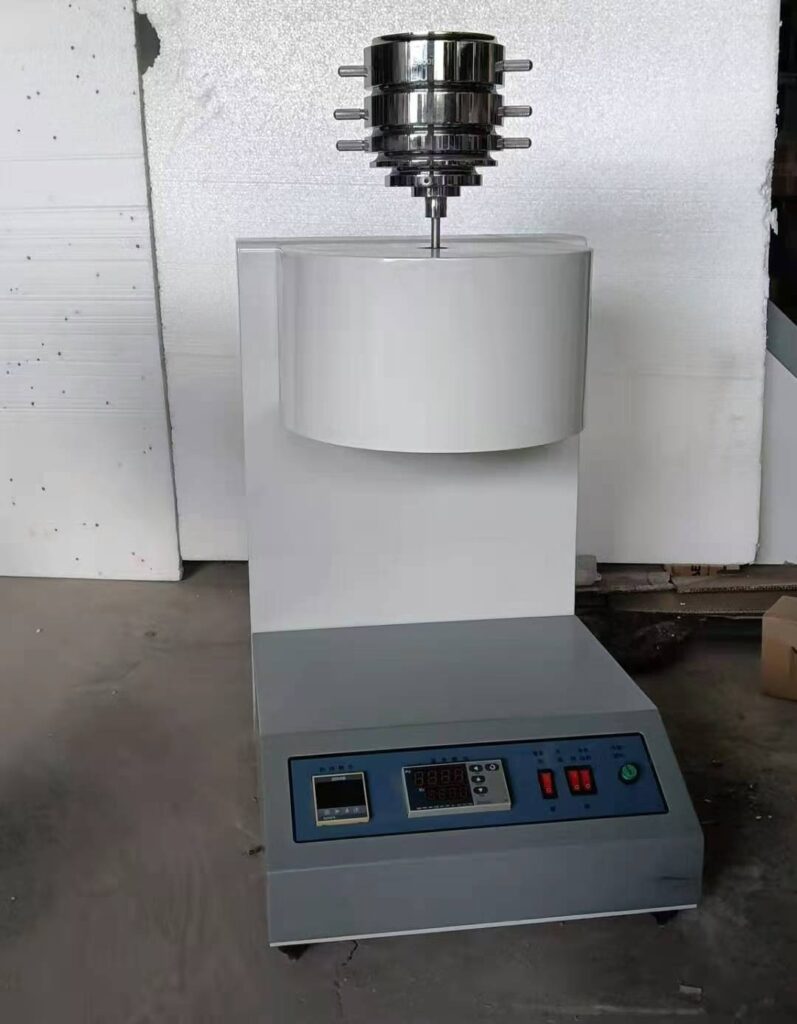
How Does a Melt Flow Index Tester Work?
The melt flow index tester is a commonly used device in the plastics industry that evaluates the melt flow properties of thermoplastic materials. Here’s how it works step by step:
The tester operates on the principle of measuring the weight of molten plastic as it flows through a narrow capillary under controlled temperature, pressure, and timing conditions.
First, a plastic sample is placed into a heated barrel, where it melts. The molten material is then forced through a precisely calibrated orifice.
As the plastic exits the orifice, its weight is measured, typically using an electronic balance. This allows calculation of two key parameters: Melt Flow Rate (MFR) and Melt Volume Rate (MVR).
MFR is usually reported in grams per 10 minutes, while MVR is given in cubic centimeters per 10 minutes. Simply put, these values indicate how much material can flow through the tester within 10 minutes.
By accurately measuring these flow properties, manufacturers can maintain consistent quality control, ensuring their production processes and final products meet required standards.
Benefits of Using a Melt Flow Index Tester
A melt flow index tester is a vital tool for quality control across industries such as plastics manufacturing. Utilizing this device provides several key advantages that help maintain consistent product quality and improve production efficiency.
One major benefit is the ability to accurately measure and monitor the flow properties of plastic materials. This data allows manufacturers to adjust processing conditions, such as temperature and pressure, to achieve optimal results.
Another advantage is early detection of potential production issues. Regularly measuring melt flow rate helps identify variations in material properties that could affect product performance or consistency.
Additionally, the tester supports informed decision-making when selecting or blending raw materials. Manufacturers can use the measurements to choose polymer grades with the precise melt characteristics required for their products.
Using a melt flow index tester also helps companies comply with industry standards and regulations, as many international organizations, such as ASTM, require these tests.
Integrating a melt flow index tester into manufacturing processes enhances productivity, reduces downtime caused by defective batches, and ensures consistently high-quality output.
How to Use a Melt Flow Index Tester
Using a melt flow index tester is a straightforward process. Follow these steps to ensure accurate testing:
Set Up the Tester – Make sure all components are correctly installed and connected.
Prepare the Sample – Cut the plastic material into small pieces and dry it if required, following industry standards.
Weigh the Sample – Measure an appropriate amount of material and place it into the tester’s hopper.
Heat the Barrel – Raise the tester’s barrel to the specified temperature according to the type of plastic being tested.
Load the Sample – Insert the prepared sample into the heated barrel using the plunger or tool provided with your tester model.
Run the Test – Start the test sequence and wait for the measurement. The melt flow index value will appear on the machine’s display once the test is complete.
Keep in mind that specific operating instructions may vary depending on the model of your melt flow index tester. Always consult the user manual before performing any tests to ensure safe and accurate operation.
Заключение
A melt flow index tester is a vital tool for any industry that relies on consistent quality control of plastic materials. By measuring the flow rate of thermoplastics, this device provides valuable insights into a material’s viscosity, molecular weight distribution, and processing behavior.
Using a melt flow index tester helps manufacturers ensure their products comply with industry standards and regulations. The resulting MFI values allow for optimization of production processes to achieve desired properties, such as stiffness or flexibility, in the final product.
For professionals involved in plastics manufacturing or supply chain management, understanding and utilizing melt flow index testing can greatly enhance product quality and operational efficiency. Investing in a reliable tester is a practical step toward maintaining high standards and achieving consistent results.

 Русский
  English
  العربية
  Български
  Čeština
  Dansk
Dansk  Deutsch
  Ελληνικά
  Español
  Eesti
Eesti  Suomi
Suomi  Français
  Magyar
  Bahasa Indonesia
  Italiano
  日本語
日本語  한국어
한국어  Lietuvių kalba
  Latviešu valoda
  Norsk bokmål
  Nederlands
  Polski
  Português
  Română
  Slovenčina
  Slovenščina
  Svenska
  Türkçe
  Українська