
What Is Melt Flow Testing?
Melt flow testing is a standardized method used to measure the rate at which a polymer, in its melted state, flows through a specific die under a set load and temperature. Essentially, this test provides a quick, repeatable way to gauge a polymer’s viscosity and processability.
Melt flow testing measures the flow of a polymer when it is melted. The result, known as the melt mass-flow rate (MFR) or melt volume-flow rate (MVR), quantifies the amount of polymer mass or volume that flows through a small die under specified temperature and pressure conditions.
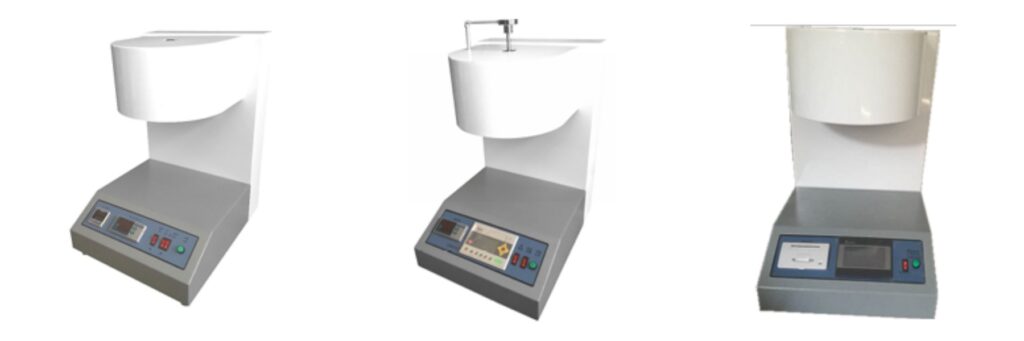
The melt flow test itself is simple and straightforward. A small amount of a thermoplastic sample (usually in granule or flake form) is heated in a barrel at a specified temperature, melted to a viscous fluid, and is forced out of a capillary die by a piston loaded with dead weights. Once enough sample extrudate has exited the die, it is removed and weighed, or the volume of the sample is measured by the machine.
The most commonly used standards for melt flow testing are ASTM D1238 and ISO 1133. These standards define the equipment specifications and testing methods. Since melt flow tests can be performed at various temperatures and weights (with recommendations for each material type), it is important to report the test parameters along with the MFR/MVR results.
The Science Behind Melt Flow Testing
Polymer Viscosity and Molecular Weight
At its core, melt flow testing evaluates the ease with which a polymer melts and flows. A lower MFI typically indicates a higher molecular weight and a more viscous melt, which can affect the polymer’s processability. Conversely, a higher MFI points to a lower molecular weight and a less viscous material. Understanding these properties is vital since they directly influence the final product’s strength, durability, and appearance.
Standardization and Test Procedures
Melt flow testing is governed by international standards such as ASTM D1238 and ISO 1133. These standards ensure that results are consistent and comparable across different laboratories and production facilities. The test is performed by heating a polymer sample to a predetermined temperature, applying a specific load, and then measuring the mass or volume of the polymer that flows through the die over a set time period.
How Melt Flow Testing Is Performed
Equipment and Procedure
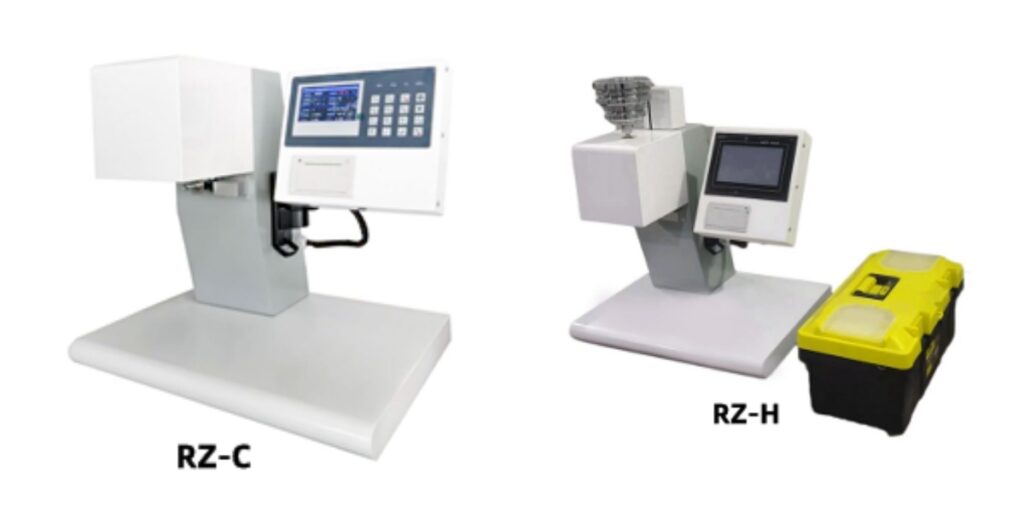
The primary piece of equipment used is the melt flow indexer. Here’s an outline of the typical procedure:
– Sample Preparation: The polymer is dried and then conditioned to remove moisture, which could affect the melt behavior.
– Heating: The sample is placed in a heated barrel where it is melted uniformly.
– Extrusion: A plunger applies a constant load, forcing the molten polymer through a die of specific dimensions.
– Measurement: The polymer that emerges from the die is collected over a fixed period, and its weight or volume is measured. This measurement is then used to calculate the melt flow index.
Key Parameters
The two most critical factors in this test are temperature and load. Both are carefully controlled since slight variations can significantly affect the results. Manufacturers choose specific temperatures and loads depending on the type of polymer being tested and the industry standards.
Importance in the Plastics Industry
Quality Control
Melt flow testing is indispensable for quality control. It offers a quick method to verify whether a polymer batch meets the necessary specifications before it is used in production. Consistency in melt flow index values from batch to batch ensures that the processing characteristics of the material remain stable, leading to uniform product quality.
Process Optimization
For production processes like injection molding and extrusion, understanding the melt flow properties is crucial. Engineers use MFI data to adjust processing parameters such as temperature, pressure, and speed. Optimizing these conditions not only improves the quality of the final product but also minimizes energy consumption and reduces production costs.
Material Selection and Development
When developing new polymer formulations, researchers rely on melt flow testing to understand how different additives or modifications affect the material’s behavior. This helps in tailoring polymers for specific applications, ensuring that they possess the necessary flow characteristics for optimal performance.
Compliance and Safety
Adhering to industry standards is not just about quality—it’s also about safety and regulatory compliance. Accurate melt flow testing data can be critical for certifying that a material meets the required standards for various applications, from consumer goods to critical industrial components.
Advantages and Limitations of Melt Flow Testing
Advantages
– Simplicity: The test is relatively straightforward, making it accessible for routine quality control.
– Cost-Effective: It requires minimal equipment and can be performed quickly, making it an economical option for both manufacturers and laboratories.
– Standardized Results: International standards ensure that results are comparable across different settings and timeframes.
Limitations
– Limited Scope: Although melt flow testing provides valuable insights into polymer viscosity, it may not fully capture the behavior of the material under all processing conditions.
– Sensitivity: The test can be sensitive to factors such as sample preparation and environmental conditions, which means careful calibration and control are necessary.
– Application-Specific: Not every polymer or product requires melt flow data. In some cases, additional testing may be necessary to fully understand the material’s properties.
Заключение
Melt flow testing plays a critical role in the plastics industry by offering a quick, reliable, and standardized method to assess the flow characteristics of polymers. From ensuring consistent quality and optimizing manufacturing processes to aiding in material development and compliance, the test is indispensable. As the industry moves towards greater automation and data-driven decision-making, the importance of accurate and efficient melt flow testing is only set to grow.
Если вы хотите получить больше информации об этом продукте, пожалуйста, не стесняйтесь связаться с нами. Рекомендуем другие популярные товары для вас: Gradient Heat Seal Tester, Peeling Cling Tester, Holding Power Tester, Cup and Container Peeling Tester, Laboratory Heat Seal Tester, Laboratory Hot Tack Tester, container peeling tester, Твердомер капсул, china heat seal tester factory, china heat seal tester suppliers, china heat sealing tester, china heat sealing tester factory, Carbonation Tester services, Shrink Tester services, Тестер прочности флекса производитель, Flex Durability Tester China, Услуги испытателя прочности флекса, Leak and Seal Strength Tester China, Paper Board Tester manufacturer, Gradient Heat Seal Tester factory, Gradient Heat Seal Tester China, Gradient Heat Seal Tester services, Plastic Film Tester|、Plastics Testing factory, Peeling Cling Tester manufacturer, Peeling Cling Tester China, Peeling Cling Tester services
 Русский
  English
  العربية
  Български
  Čeština
  Dansk
Dansk  Deutsch
  Ελληνικά
  Español
  Eesti
Eesti  Suomi
Suomi  Français
  Magyar
  Bahasa Indonesia
  Italiano
  日本語
日本語  한국어
한국어  Lietuvių kalba
  Latviešu valoda
  Norsk bokmål
  Nederlands
  Polski
  Português
  Română
  Slovenčina
  Slovenščina
  Svenska
  Türkçe
  Українська