
Vacuum leak testing ensures the integrity of sealed or packaged products, such as bottles and containers, throughout the manufacturing, packaging, and product testing processes. Performing a vacuum leak test is one of the most fundamental ways to confirm that products are perfectly sealed and free from air or fluid leakage. This type of testing can identify even very small leaks that might otherwise lead to product failure, consumer complaints, or regulatory nonconformity.
In this article, we will explain why vacuum leak testing is crucial, explore different types of vacuum leak testers, and discuss how investing in this equipment can deliver a strong return on investment (ROI). Additionally, we will review the technical specifications of these machines and illustrate how they support an effective quality control process.
The Importance of Vacuum Leak Testing
Leak testing plays a vital role across many industries, particularly in applications where product integrity is non-negotiable. The main purpose of vacuum leak testing is to detect potential product failures that could compromise safety, functionality, or shelf life. By identifying leaks early, manufacturers can prevent defective products from reaching consumers and ensure consistent quality.
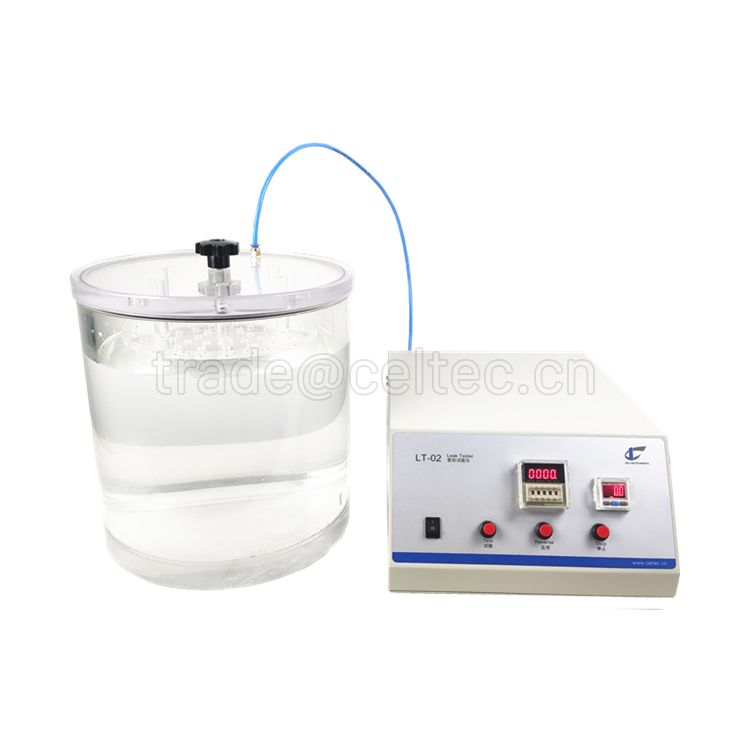
Key Applications of Vacuum Leak Testing
Packaging Industry: Ensures that bottles, jars, and containers are completely airtight, preventing contamination or spoilage.
Medical Products: Confirms that medical items such as syringes, vials, and other sterile products remain properly sealed and maintain sterility.
Automotive and Aerospace: Verifies vacuum integrity of components and parts to prevent failures under vacuum or high-pressure conditions.
Consumer Products: Ensures proper sealing of electronics, cosmetics, and food containers to maintain product protection, quality, and longevity.
Vacuum leak testing works by applying a vacuum or partial vacuum to a sealed product and measuring the pressure change over time. If a leak is present, it will cause the pressure to drop or allow air to enter, making the leak detectable. This method is non-destructive and suitable for inspecting a wide range of packaging and components, which is why it is widely adopted across diverse industries.
Introduction to Vacuum Leak Test Machines
To achieve high-quality, reliable, and precise testing results, modern vacuum leak test machines are designed to deliver consistent, accurate performance across a wide range of industries. These machines are engineered to detect leaks quickly and with high accuracy, helping manufacturers prevent costly defects and improve overall product reliability.
With decades of experience in producing high-precision testing equipment, these vacuum leak testers are trusted by companies that require durable and accurate inspection solutions for their production and quality control processes.
Benefits of Using a Vacuum Leak Tester
Investing in a vacuum leak tester for your lab or production line can significantly enhance product quality while reducing operational costs. Key benefits include:
Increased Efficiency and Speed
Vacuum leak testing dramatically reduces the time required compared to manual inspection. Automated testing allows for faster throughput, freeing up staff to focus on other critical tasks. Companies report a 30–40% improvement in testing efficiency after implementing automated vacuum leak testers.
Reduced Product Failures
Hidden leaks can lead to product failure, particularly in packaging and medical devices. Vacuum leak testing identifies potential issues before products reach consumers, helping prevent costly recalls, warranty claims, and post-sale defects—often reducing defects by 20–25%.
Better Compliance with Industry Standards
Many industries are subject to strict regulations requiring rigorous leak testing. Modern vacuum leak testers comply with international standards such as ASTM and ISO, helping companies meet regulatory requirements and avoid fines, penalties, and costly production delays.
Material and Cost Savings
By ensuring products are properly sealed before moving to the next stage of processing or packaging, vacuum leak testing minimizes waste and optimizes the use of raw materials. This can result in material savings of 15–20%.
Accurate Data for Quality Control
Vacuum leak testers provide reliable, precise results, enabling quality control teams to make data-driven decisions. Insights gained from testing allow for process adjustments and refinements, reducing errors, costly rework, and improving overall product quality.
FAQs
Q1: What is the principle of vacuum leak testing?
The principle is straightforward: a vacuum is applied to a sealed product, and the system monitors any pressure changes. For a properly sealed product, the pressure remains stable. If a leak is present, air enters the system, causing the pressure to drop. This method allows even very small leaks to be detected reliably.
Q2: Can a vacuum test hide a leak?
No—when the vacuum testing machine is correctly calibrated and the proper procedure is followed, leaks cannot go undetected. Modern vacuum leak testers are capable of identifying even the tiniest leaks, ensuring product integrity and reliability.
Conclusion: Enhance Your Testing Process with a Vacuum Leak Tester
Integrating a vacuum leak tester into your production line or testing lab is an effective way to improve product quality, reduce defects, and increase operational efficiency. High-precision, durable vacuum leak testers ensure that your products meet safety and industry compliance standards.
Investing in this equipment allows your quality control team to perform accurate testing efficiently, identify potential issues early, and make informed decisions that reduce waste and rework.
For companies aiming to elevate their quality control processes, implementing a vacuum leak tester is a crucial step toward better product reliability and consistent performance.

 Deutsch
  English
  العربية
  Български
  Čeština
  Dansk
Dansk  Ελληνικά
  Español
  Eesti
Eesti  Suomi
Suomi  Français
  Magyar
  Bahasa Indonesia
  Italiano
  日本語
日本語  한국어
한국어  Lietuvių kalba
  Latviešu valoda
  Norsk bokmål
  Nederlands
  Polski
  Português
  Română
  Русский
  Slovenčina
  Slovenščina
  Svenska
  Türkçe
  Українська