
Elmendorf Tear Testerorf tear test?
Введение
The Elmendorf tear test is a standardized method used to measure the tear resistance of materials such as paper, cardboard, textiles, and plastic films. This test evaluates the force required to propagate a tear once it has been initiated, providing critical data on the durability and performance of the material under stress. The test involves using an Elmendorf tear tester, which consists of a pendulum that tears the sample and measures the energy absorbed during the tearing process. The results are typically expressed in units of force, such as millinewtons or grams-force, and are essential for quality control and material specification in various industries.
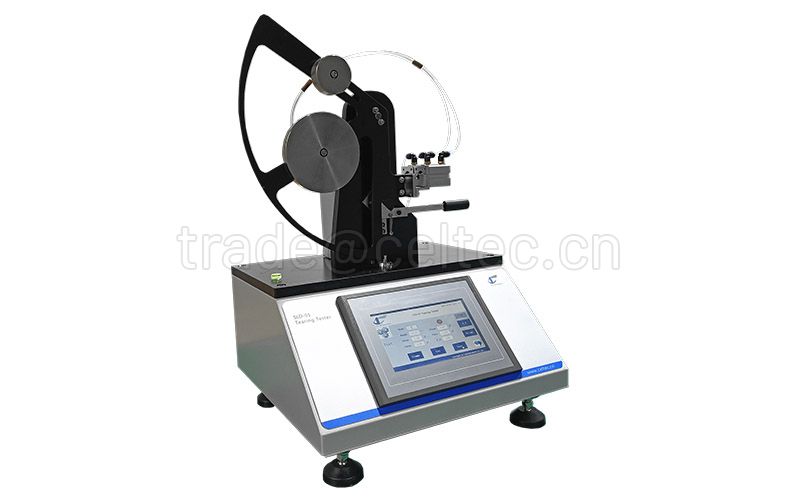
Interpreting Results From The Elmendorf Tear Test: What You Need To Know
The Elmendorf tear test is a critical procedure in the materials testing industry, particularly for evaluating the tear resistance of paper, textiles, and other sheet materials. Understanding the results from this test is essential for manufacturers and quality control professionals who aim to ensure the durability and reliability of their products. The Elmendorf tear test measures the force required to propagate a tear in a material, providing valuable insights into its mechanical properties and performance under stress.
Interpreting the results from an Elmendorf tear test begins with understanding the basic mechanics of the test itself. During the test, a sample material is partially cut and then subjected to a controlled force using a pendulum device. The energy absorbed by the material as it tears is recorded, typically in units of millinewtons (mN) or grams-force (gf). This data is crucial for determining the material’s tear resistance, which directly correlates to its ability to withstand mechanical stresses in real-world applications.
One of the primary factors to consider when interpreting Elmendorf tear test results is the material’s intended use. For instance, in the packaging industry, high tear resistance is often desirable to ensure that products remain intact during shipping and handling. Conversely, in applications where ease of opening is a priority, such as consumer packaging, a lower tear resistance might be more appropriate. Therefore, the context in which the material will be used plays a significant role in evaluating the test results.
Another important aspect to consider is the consistency of the test results. Variability in tear resistance can indicate issues with the material’s manufacturing process or inconsistencies in its composition. By analyzing multiple samples and comparing their tear resistance values, manufacturers can identify potential problems and make necessary adjustments to improve product quality. Consistent results are a hallmark of a well-controlled production process and can significantly enhance a company’s reputation for reliability.
Moreover, it is essential to compare the Elmendorf tear test results with industry standards and benchmarks. Many industries have established guidelines for acceptable tear resistance levels, and adhering to these standards is crucial for regulatory compliance and market competitiveness. By benchmarking their products against these standards, companies can ensure that they meet or exceed industry expectations, thereby gaining a competitive edge.
In addition to industry standards, historical data can provide valuable context for interpreting Elmendorf tear test results. By comparing current test results with historical performance data, companies can track improvements or identify trends that may require further investigation. This longitudinal analysis can help in making informed decisions about material selection, process improvements, and product development.
Furthermore, it is important to consider the limitations of the Elmendorf tear test. While it provides valuable information about tear resistance, it is just one of many tests that can be used to evaluate material properties. Complementary tests, such as tensile strength and elongation tests, can provide a more comprehensive understanding of a material’s overall performance. By integrating data from multiple tests, companies can make more informed decisions about material suitability and product design.
In conclusion, interpreting results from the Elmendorf tear test requires a nuanced understanding of the test mechanics, the material’s intended use, consistency of results, industry standards, historical data, and complementary testing methods. By considering these factors, manufacturers and quality control professionals can ensure that their products meet the highest standards of durability and reliability, ultimately leading to greater customer satisfaction and business success.
Comparing The Elmendorf Tear Test With Other Tear Resistance Tests
The Elmendorf tear test is a widely recognized method for measuring the tear resistance of materials, particularly paper, textiles, and plastics. This test is essential for industries that require precise knowledge of material durability and performance under stress. However, to fully appreciate the Elmendorf tear test, it is crucial to compare it with other tear resistance tests, thereby highlighting its unique advantages and applications.
To begin with, the Elmendorf tear test operates by measuring the force required to propagate a tear in a pre-cut sample. The sample is clamped in place, and a pendulum is released to tear through the material. The energy absorbed by the material during tearing is then recorded, providing a quantitative measure of its tear resistance. This method is particularly valued for its simplicity and repeatability, making it a staple in quality control processes.
In contrast, the Trouser tear test, another common method, involves tearing a sample that has been cut into a trouser-like shape. The two legs of the “trouser” are pulled apart, and the force required to continue the tear is measured. While the Trouser tear test is effective for materials that exhibit high elongation, such as certain fabrics and elastomers, it can be less suitable for materials that do not stretch significantly. This is where the Elmendorf tear test often proves more versatile, as it can be applied to a broader range of materials without the need for extensive sample preparation.
Another method worth mentioning is the Graves tear test, which measures the force required to initiate a tear in a notched sample. This test is particularly useful for materials that are prone to brittle failure, such as some plastics and films. However, the Graves tear test can be more complex to set up and execute, requiring precise notching and alignment of the sample. In comparison, the Elmendorf tear test’s straightforward setup and execution make it a more practical choice for routine testing in many industrial settings.
Furthermore, the Elmendorf tear test offers distinct advantages in terms of data consistency and reliability. The pendulum mechanism ensures that the force applied to the sample is consistent across tests, reducing variability and enhancing the accuracy of the results. This consistency is particularly important in quality control environments, where reliable data is essential for maintaining product standards and meeting regulatory requirements.
Moreover, the Elmendorf tear test is highly adaptable, with various models available to accommodate different material types and thicknesses. This adaptability allows businesses to tailor the test to their specific needs, ensuring that they obtain relevant and actionable data. Additionally, the test’s relatively low cost and ease of use make it accessible to a wide range of industries, from paper manufacturing to packaging and beyond.
In conclusion, while there are several methods available for measuring tear resistance, the Elmendorf tear test stands out for its simplicity, versatility, and reliability. By comparing it with other tests such as the Trouser tear test and the Graves tear test, it becomes clear that the Elmendorf method offers unique benefits that make it an indispensable tool in material testing. Its ability to provide consistent, accurate data with minimal setup and cost ensures that it remains a preferred choice for businesses seeking to maintain high standards of quality and performance in their products.
Applications Of The Elmendorf Tear Test In Various Industries
The Elmendorf tear test, a critical method for assessing the tear resistance of materials, finds extensive applications across various industries. This test, named after its inventor, measures the force required to propagate a tear in a material, providing valuable insights into its durability and performance. As industries continually seek to enhance the quality and reliability of their products, the Elmendorf tear test has become an indispensable tool in quality control and product development.
In the paper and packaging industry, the Elmendorf tear test is particularly significant. Packaging materials must withstand various stresses during handling, shipping, and storage. By employing this test, manufacturers can ensure that their products meet stringent durability standards. For instance, corrugated cardboard, widely used for shipping boxes, undergoes rigorous testing to determine its tear resistance. This ensures that the packaging can protect its contents effectively, reducing the risk of damage during transit. Consequently, businesses can maintain customer satisfaction and minimize returns due to damaged goods.
Similarly, the textile industry relies heavily on the Elmendorf tear test to evaluate the strength and durability of fabrics. Textiles used in clothing, upholstery, and industrial applications must endure significant wear and tear. By assessing the tear resistance of these materials, manufacturers can enhance product longevity and performance. For example, outdoor gear and workwear, which are subject to harsh conditions, benefit from rigorous tear testing. This ensures that the final products can withstand the rigors of their intended use, thereby enhancing consumer trust and brand reputation.
Moreover, the Elmendorf tear test plays a crucial role in the plastics and polymers industry. Plastic films and sheets, used in a myriad of applications from packaging to construction, must exhibit high tear resistance to ensure functionality and safety. By conducting this test, manufacturers can identify potential weaknesses in their materials and make necessary adjustments to improve performance. This not only enhances product quality but also contributes to cost savings by reducing material waste and minimizing product failures.
In addition to these industries, the Elmendorf tear test is also vital in the production of nonwoven materials. Nonwovens, used in products such as medical supplies, hygiene products, and filtration systems, require robust tear resistance to maintain their integrity and effectiveness. By employing the Elmendorf tear test, manufacturers can ensure that these materials meet the necessary standards for their specific applications. This is particularly important in the medical field, where the reliability of materials can directly impact patient safety and care.
Furthermore, the automotive industry benefits from the Elmendorf tear test in evaluating the durability of interior materials such as seat covers, carpets, and headliners. These components must withstand daily use and exposure to various environmental factors. By assessing their tear resistance, manufacturers can enhance the longevity and aesthetic appeal of automotive interiors, thereby improving overall customer satisfaction.
In conclusion, the Elmendorf tear test is a versatile and essential tool across multiple industries. Its ability to provide accurate and reliable measurements of tear resistance enables manufacturers to produce high-quality, durable products. By integrating this test into their quality control processes, businesses can ensure that their materials meet the necessary standards, ultimately leading to enhanced product performance, customer satisfaction, and brand reputation. As industries continue to evolve and innovate, the Elmendorf tear test will undoubtedly remain a cornerstone of material testing and quality assurance.
How To Conduct An Elmendorf Tear Test: Step-By-Step Instructions
The Elmendorf tear test is a widely recognized method for measuring the tear resistance of materials such as paper, textiles, and plastic films. This test is crucial for industries that require precise knowledge of material durability and performance under stress. Conducting an Elmendorf tear test involves a series of well-defined steps that ensure accurate and reliable results. By following these steps meticulously, businesses can gain valuable insights into the quality and resilience of their materials.
To begin with, it is essential to prepare the sample material correctly. The material should be cut into standardized test pieces, typically rectangular in shape, with dimensions specified by the relevant testing standards. Ensuring that the sample edges are clean and free from any defects is critical, as imperfections can significantly affect the test results. Once the samples are prepared, they should be conditioned in a controlled environment, usually at a specified temperature and humidity, to ensure consistency and repeatability in the test outcomes.
Next, the Elmendorf tear tester must be calibrated and set up according to the manufacturer’s instructions. Calibration is a vital step that ensures the accuracy of the test results. The tester typically consists of a pendulum that swings to tear the sample material, and it is crucial to verify that the pendulum’s weight and the machine’s settings are correctly adjusted. Once the tester is calibrated, the sample material is clamped securely in the machine, with the initial cut or notch made at the designated starting point. This notch serves as the initiation point for the tear and must be made precisely to ensure the test’s validity.
As the test proceeds, the pendulum is released, and it swings through the sample material, tearing it along the pre-notched line. The force required to tear the material is measured by the machine and recorded. This force is typically expressed in units of energy, such as millinewton-meters (mN·m), and provides a quantitative measure of the material’s tear resistance. It is important to conduct multiple tests on different samples to obtain an average value, as this helps account for any variability in the material and ensures a more accurate assessment of its tear resistance.
After completing the tests, the results should be analyzed and interpreted in the context of the material’s intended application. For instance, a high tear resistance may be desirable for packaging materials that need to withstand rough handling, while a lower tear resistance might be acceptable for materials used in applications where flexibility is more critical. By understanding the tear resistance of their materials, businesses can make informed decisions about material selection, product design, and quality control processes.
In conclusion, conducting an Elmendorf tear test involves a series of precise steps, from sample preparation and machine calibration to test execution and result analysis. By following these steps diligently, businesses can obtain accurate and reliable data on the tear resistance of their materials. This information is invaluable for ensuring that products meet the required performance standards and can withstand the demands of their intended applications. With a confident approach to conducting the Elmendorf tear test, businesses can enhance their material testing processes and ultimately improve the quality and durability of their products.
The Importance Of The Elmendorf Tear Test In Material Testing
The Elmendorf tear test is a critical procedure in the realm of material testing, particularly for industries that rely on the durability and reliability of their materials. This test measures the tear resistance of materials such as paper, textiles, and plastics, providing essential data that can influence product development, quality control, and compliance with industry standards. Understanding the importance of the Elmendorf tear test begins with recognizing its role in ensuring that materials can withstand the rigors of their intended applications.
In the competitive landscape of manufacturing, the ability to produce materials that meet stringent performance criteria is paramount. The Elmendorf tear test offers a quantifiable method to assess the tear strength of a material, which is a key indicator of its durability. By simulating the forces that materials might encounter during use, this test helps manufacturers predict how their products will perform in real-world conditions. Consequently, it enables them to make informed decisions about material selection, product design, and process improvements.
Moreover, the Elmendorf tear test is indispensable for maintaining quality control. In industries such as packaging, where the integrity of materials is crucial for protecting contents, ensuring that materials possess adequate tear resistance is non-negotiable. Regular testing allows manufacturers to detect inconsistencies and defects early in the production process, thereby reducing the risk of product failures and recalls. This proactive approach not only safeguards the reputation of the brand but also enhances customer satisfaction by delivering reliable and high-quality products.
Transitioning to the regulatory aspect, compliance with industry standards is another significant reason why the Elmendorf tear test is vital. Various industries are governed by specific regulations that mandate the use of materials with certain tear resistance properties. For instance, in the textile industry, materials used in protective clothing must meet defined tear strength criteria to ensure the safety of the wearer. By adhering to these standards, companies can avoid legal repercussions and demonstrate their commitment to safety and quality.
Furthermore, the Elmendorf tear test contributes to innovation and sustainability in material development. As companies strive to create more sustainable products, understanding the tear resistance of alternative materials becomes crucial. For example, in the pursuit of eco-friendly packaging solutions, manufacturers need to ensure that biodegradable or recycled materials can perform as well as traditional options. The Elmendorf tear test provides the necessary data to validate these new materials, facilitating their adoption and promoting environmental responsibility.
In addition to its practical applications, the Elmendorf tear test also offers economic benefits. By identifying the optimal materials for specific applications, companies can reduce waste and improve efficiency. This not only lowers production costs but also enhances the overall profitability of the business. Moreover, by preventing material failures and extending the lifespan of products, companies can achieve a better return on investment and strengthen their market position.
In conclusion, the Elmendorf tear test is an indispensable tool in material testing, offering a comprehensive assessment of tear resistance that informs various aspects of manufacturing and product development. Its role in ensuring quality control, regulatory compliance, innovation, and economic efficiency underscores its importance in today’s competitive and ever-evolving industrial landscape. By leveraging the insights gained from this test, companies can enhance their product offerings, meet industry standards, and contribute to a more sustainable future.
Understanding The Elmendorf Tear Test: A Comprehensive Guide
The Elmendorf tear test is a critical procedure in the materials testing industry, particularly for evaluating the tear resistance of paper, textiles, and other sheet materials. This test is essential for manufacturers and quality control professionals who need to ensure that their products meet specific durability standards. Understanding the Elmendorf tear test involves delving into its methodology, applications, and significance in various industries.
To begin with, the Elmendorf tear test measures the force required to propagate a tear in a material. This is achieved by using a pendulum device that simulates the tearing action. The material sample is first notched to create a starting point for the tear. The pendulum, which is released from a fixed height, swings through the sample, and the force needed to continue the tear is recorded. This force is then used to calculate the tear resistance of the material. The simplicity and efficiency of this test make it a popular choice for many industries.
Transitioning to its applications, the Elmendorf tear test is widely used in the paper and packaging industry. For instance, manufacturers of paper products such as envelopes, bags, and packaging materials rely on this test to ensure their products can withstand the rigors of handling and transportation. A high tear resistance indicates that the material is less likely to rip or tear during use, which is crucial for maintaining the integrity of the product and protecting its contents.
Moreover, the textile industry also benefits significantly from the Elmendorf tear test. Fabrics used in clothing, upholstery, and industrial applications must possess adequate tear resistance to ensure longevity and performance. By conducting this test, textile manufacturers can assess the durability of their fabrics and make necessary adjustments to their production processes. This not only enhances the quality of the final product but also boosts consumer confidence in the brand.
In addition to its practical applications, the Elmendorf tear test holds considerable significance in quality control and research and development. For quality control, this test provides a standardized method for comparing the tear resistance of different materials. This consistency is vital for maintaining product quality and meeting industry standards. In research and development, the Elmendorf tear test aids in the innovation of new materials and products. By understanding the tear resistance properties of various materials, researchers can develop new formulations and manufacturing techniques that enhance performance and durability.
Furthermore, the Elmendorf tear test is recognized by several international standards organizations, including ASTM (American Society for Testing and Materials) and ISO (International Organization for Standardization). These endorsements underscore the test’s reliability and importance in the global market. Compliance with these standards ensures that products meet the necessary safety and performance criteria, which is essential for gaining market acceptance and consumer trust.
In conclusion, the Elmendorf tear test is an indispensable tool in the materials testing industry. Its ability to measure tear resistance accurately and efficiently makes it a valuable asset for manufacturers, quality control professionals, and researchers alike. By providing critical insights into the durability of materials, this test helps ensure that products meet the highest standards of quality and performance. As industries continue to evolve and innovate, the Elmendorf tear test will undoubtedly remain a cornerstone of material testing and quality assurance.
Заключение
The Elmendorf tear test is a standardized method used to measure the tear resistance of materials such as paper, textiles, and plastics. It involves using a pendulum device to apply a controlled force to a pre-cut sample, causing it to tear. The energy required to propagate the tear is recorded, providing a quantitative measure of the material’s tear strength. This test is crucial for assessing the durability and performance of materials in various applications.

 Русский
  English
  العربية
  Български
  Čeština
  Dansk
Dansk  Deutsch
  Ελληνικά
  Español
  Eesti
Eesti  Suomi
Suomi  Français
  Magyar
  Bahasa Indonesia
  Italiano
  日本語
日本語  한국어
한국어  Lietuvių kalba
  Latviešu valoda
  Norsk bokmål
  Nederlands
  Polski
  Português
  Română
  Slovenčina
  Slovenščina
  Svenska
  Türkçe
  Українська