
Zrozumienie różnych rodzajów testów urządzeń medycznych
WHO defines a medical device as an article, instrument, apparatus, or machine used in the prevention, diagnosis, or treatment of illness or disease or for detecting, measuring, restoring, correcting, or modifying the structure or function of the body for some health purpose. Typically, the goal of a medical device is not achieved by pharmacological, immunological, or metabolic means.
As a medical device directly contributes to a healthcare facility’s ability to evaluate a patient’s condition accurately, it is essential for safe and effective prevention, diagnosis, treatment, and rehabilitation of illness and disease.
With the help of medical devices, healthcare practitioners can collect the exact stats of a patient’s health and make medical decisions judiciously. The rise of digital usage in the medical space has paved the way for software-enabled medical devices that have brought significant sophistication in modern medical device technology.
Today, we have innovative pacemakers, insulin pumps, defibrillators, robotic surgeons, and other groundbreaking technologies with healthcare practitioners’ assistance.
Since so much relies on a medical device’s capability to perform as intended and with precision, even a minor glitch can prove fatal. This is why conducting thorough medical device testing before they are channeled for practical use is essential.
Several regulations and compliance requirements must be fulfilled to ensure this before a medical device is released on the market. Medical device testing not only performs the Verification and validation (V&V) but also evaluates various aspects of the medical device based on performance, GUI, behavior, and reliability, among others, to prevent the usage of any faulty device on a patient.
Let us understand what exactly the different types of medical device testing are and what each of those types entails:
Medical Devices Testing – A case study
To simplify and customize the delivery of complex drug regimens, an innovative medical device manufacturer developed a first-of-its-kind technology for insulin delivery methods. The company was looking for end-to-end testing & quality engineering services from an organization that could provide a robust framework for integrating software, mobile devices, and medical devices.
Importance of Medical Devices
Medical device testing companies actively stop the spread of infectious illness and disease by performing proper test procedures on medical equipment to verify quality and functionality. Medical equipment assists in treating humans for serious disease, injury, and health conditions when paired with proper medication and treatment. As these are life-saving devices, it is vital to validate their quality before putting them on the market.
Medical Device Testing We Offer:
Fatigue testing applies a cyclic load to a test specimen in order to understand how it performs under real-life conditions. This type of testing determines the sample’s fatigue life, identifies critical fatigue locations, and shows the sample’s level of susceptibility to fatigue.
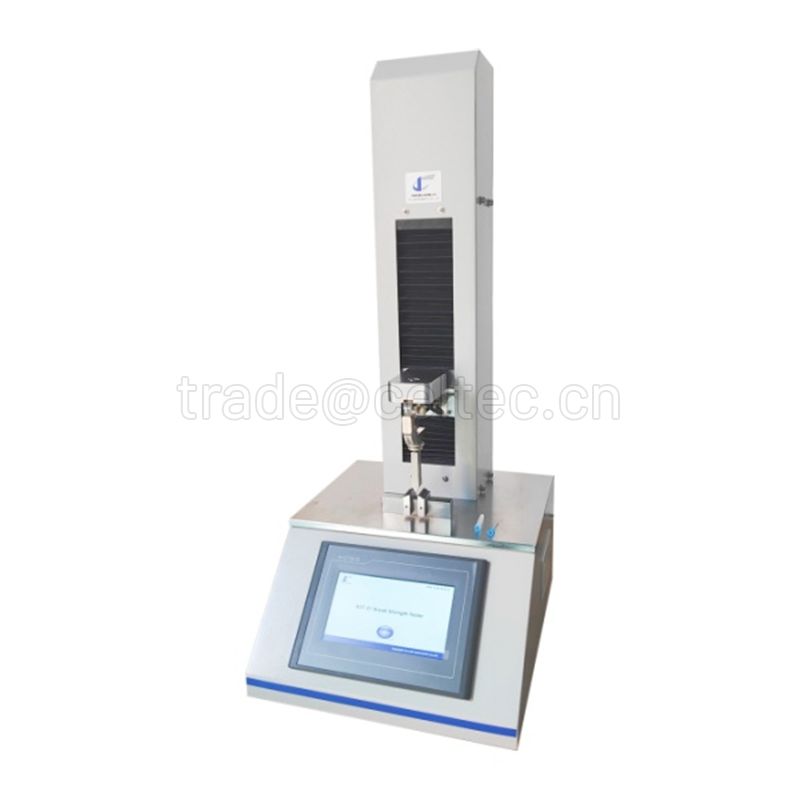
Tensile testing occurs when controlled tension is put on a sample, stretching the specimen to its breaking point. This test produces information about a metallic or composite material’s yield, tensile strength, and ductility.
Shear testing forces one surface of a sample to move in a specific direction while the other moves in the opposite, creating a sliding motion. This test calculates shear strength—a critical factor for components such as fasteners.
Torsion testing happens by twisting or shear loading a sample along a set point. This test helps manufacturers compile data such as maximum torque, shear stress, and torsional shear modulus. It also locates the material’s breaking angle.
Lot verification testing confirms that each lot of product meets the minimum quality and safety criteria before release.
Wear and simulation testing simulates processes that occur in service environments to determine whether a device performs its function correctly. This testing method reveals the amount of wear a medical device can take to predict its usability in the medical field.
Instrument and life cycle testing applies mechanical procedures to a unit in a controlled environment throughout a specific course of time. The unit will show breaking points, functionality failures, and wear locations.
Non-standard testing ranges from advanced designs to novel materials. It can be anything that does not possess a specific testing standard.
Axial compression testing compresses the specimen with force. It replicates the stresses materials will eventually encounter to determine the local mechanical properties within the critical size defect.
Dedicated Screw Testing
Driving torque testing calculates the amount of force a screw needs in order to drive into a substrate. The data from this test helps customers optimize their designs and shows if they will damage bone.
Pull-out testing determines the resistance of the screw by pulling it out of a substrate. This testing helps the clients comprehend the amount of hold a screw has while in the substrate of a bone.
Shear, fatigue, and lever testing assess the force the screw is able to withstand when levering or moving inside a rod or plate. The test shows the strength of the fixation without the presence of substrate.
Custom Testing
Our Family of Companies is a well-known expert in custom testing. We partner with our clients in order to design tests specific to their needs. Whether they have a cutting-edge implant or a novel material design, we aim to help clients reach their goals safely and efficiently. Not only are we experts in the medical device testing field, but we maintain regulatory, industry, and manufacturing expertise.
Class I are low-risk devices that cannot sustain or support life.
Class II are medium-risk devices that more rigorously tested for safety than Class I but cannot sustain or support life.
Class III are high-risk devices that receive the most rigorous testing because they sustain and support life.
FDA Classifications
The Food and Drug Administration (FDA) classifies approximately 1,700 generic devices and assigns each into 16 different panels. Based on the level of control it takes to assure safety and effectiveness, these classified devices fall into one of three regulatory classes:
Accreditation and Quality Standards
The Family of Companies provides our clients with high-quality medical device testing services by creating rapid responses and reliable results. We employ highly trained technicians ready to assist manufacturers with their testing expertise. Ultimately, our goal is to help manufacturers procure professional reports to meet global requirements, including FDA and CE marketing approval.
 Polski
  English
  العربية
  Български
  Čeština
  Dansk
Dansk  Deutsch
  Ελληνικά
  Español
  Eesti
Eesti  Suomi
Suomi  Français
  Magyar
  Bahasa Indonesia
  Italiano
  日本語
日本語  한국어
한국어  Lietuvių kalba
  Latviešu valoda
  Norsk bokmål
  Nederlands
  Português
  Română
  Русский
  Slovenčina
  Slovenščina
  Svenska
  Türkçe
  Українська