
 Normen
Torque Testing MachineTester Ensure the Proper Performance of Bottle Caps?
In the bottle testing industry, testing the torque value of bottles is important. A torque tester plays a pivotal role in ensuring the proper performance of bottle caps by meticulously measuring the rotational force required to open or close them.
As a critical component of quality control in various industries, particularly in beverage and pharmaceutical manufacturing, this manual cap torque tester guarantees that bottle caps adhere to specified tightness standards. This process is essential to prevent issues such as leakage, contamination, and compromised product integrity.
By subjecting bottle caps to precise torque measurements, torque testers provide manufacturers with valuable insights into the reliability and consistency of their sealing mechanisms. In this blog, we will discuss how torque tester for bottles helps to ensure the quality and reliability of bottles accurately. So, let us get started!
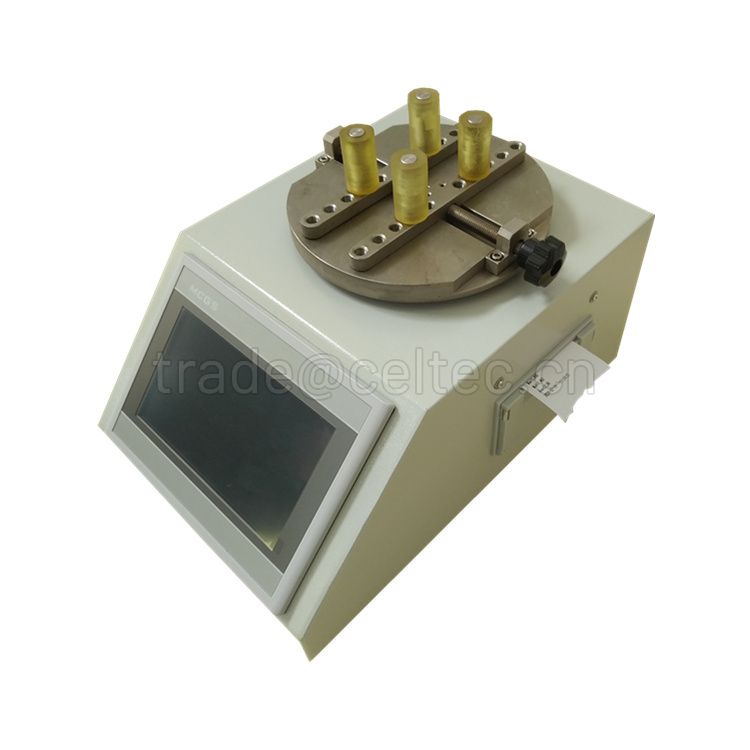
Easily Evaluate the Bottle Performance with Opening Bottle Cap Torque Tester
Bottle caps are considered to be an essential part of bottle manufacturing and the content inside the bottles will remain safe when these bottle caps are properly closed. With the increasing demands of customers throughout it is important for the manufacturers to deliver tamper-proof products to the customers so that no issue will be seen.
Accurate torque value testing of PET bottles is instrumental for manufacturers in guaranteeing the integrity of bottle caps. The torque testing machine is recognized as a crucial laboratory testing instrument for PET packaging, playing a pivotal role in ensuring the reliability and performance of bottle cap seals.
Torque testing involves applying a specific amount of rotational force on a bottle cap using specialized laboratory testing equipment known as torque testing equipment. This force simulates what a consumer would typically exert when opening or closing a bottle. The results are then compared against predetermined standards set by regulatory bodies or manufacturers to ensure that the bottle cap can withstand enough torque without failing.
Role of Torque Tester in Evaluating Cap Performance
The purpose of torque testing is to determine whether the bottle cap has been properly applied and tightened onto the container, as well as to assess its ability to resist tampering or accidental opening during storage, transportation, and handling. This test also helps manufacturers identify any defects in their production processes and materials that may affect the overall performance of their bottle caps.
Below we have listed some essential points that indicate the torque tester is an essential lab testing instrument for evaluating the performance of bottle caps:
1. Quality Control:
One primary purpose of torque testing in bottle cap production is quality control. It allows manufacturers to identify any defects in their products before they reach consumers’ hands. By conducting regular torque tests on samples from each batch, manufacturers can detect variations in performance and make necessary adjustments to maintain consistency and quality.
2. Ensuring Proper Seal:
A properly sealed bottle ensures that the contents inside remain fresh and safe for consumption. Torque testing can help determine if a bottle cap has been tightened to the correct level to create an airtight seal. If the torque is too high, it may cause difficulties in opening the bottle, while too little torque may lead to leaks and contamination.
3. Preventing Accidents:
A bottle cap that fails under normal usage conditions can cause accidents, such as spills or even injuries to consumers. Torque testing helps identify potential weaknesses in bottle caps before they are released into the market, preventing any potential hazards.
4. Regulatory Compliance:
Many regulatory bodies have specific standards for bottle cap performance, including torque requirements. By conducting regular torque tests, manufacturers can ensure their products meet these standards and avoid any penalties for non-compliance.
Here are the key reasons why removal torque is important:
Ease of Use
Consumers should be able to open the bottle without excessive force. If the removal torque is too high, consumers may struggle to open the bottle, leading to frustration or injury. On the other hand, if the removal torque is too low, the cap might come off too quickly, potentially leading to spills and leaks. Therefore, finding the right balance that allows for easy opening while ensuring the cap stays securely in place during handling and transportation is essential.
Tamper Evidence
Proper removal torque settings are vital for tamper-evident features to function correctly. Tamper-evident caps provide visual or physical evidence that a product has been opened or tampered with before purchase. If the removal torque is too low, the tamper-evident features might not engage properly, making it difficult for consumers to identify potential tampering. Conversely, if the torque is too high, the tamper-evident seal might break prematurely. Accurate removal torque settings ensure that these safety features work as intended, giving consumers confidence in the product’s integrity.
Kwaliteitscontrole
Monitoring removal torque is a critical aspect of quality control in the bottling process. Consistent removal torque ensures that every cap performs similarly, balancing security and accessibility. Manufacturers can detect and address any variations affecting product quality by regularly testing and adjusting removal torque settings. This consistency helps prevent issues such as caps that are too tight or too loose, ensuring a uniform consumer experience across all products.
Functioning Process of the Torque Tester
The torque testing machine is designed with utmost precision because it deals with fine margins of error which can cause huge damages 7 jeopardies as these closures are responsible for carrying hazardous chemicals & highly flammable or reactive materials like petrol, diesel, kerosene, etc.
The functioning of the torque tester begins with the removal of the safety latch associated with the base plate to limit the movement of the base plate outside the testing procedure, allowing the operator to make sure that the testing is conducted from scratch and without any previous movements.
The operator can now place the specimen between the 4 knobs of the instrument. The operator must ensure that the diameter of the base of the instrument does not exceed the distance among the 4 knobs otherwise the clamping of the specimen will not be firm.
Afterwards, the specimen is clamped with the 4 knobs as mentioned above. To clamp the specimen the instrument is equipped with a rotary wheel that allows the operator to clamp the specimen single-handedly without any facility.
Once the specimen is firmly clamped, the operator can remove the closure of the specimen by bearing hands without using any tool. The force exerted to open the instrument in an angled direction (torque) is indicated on the digital display of the instrument.
The determination of the torque of the instrument allows the operator to keep track of all the results achieved with the help of the memory hold button associated with the control panel that keeps track of up to 9 recordings obtained previously, allowing the operator to compare & eradicate uncertainties for better & finer test results.
The specifications of the torque tester are extremely important to be adhered to for assessing whether the instrument aligns with the specifications of your specimen or not.


 Nederlands
  English
  العربية
  Български
  Čeština
  Dansk
Dansk  Deutsch
  Ελληνικά
  Español
  Eesti
Eesti  Suomi
Suomi  Français
  Magyar
  Bahasa Indonesia
  Italiano
  日本語
日本語  한국어
한국어  Lietuvių kalba
  Latviešu valoda
  Norsk bokmål
  Polski
  Português
  Română
  Русский
  Slovenčina
  Slovenščina
  Svenska
  Türkçe
  Українська