
 Стандарти
Ensuring the quality and mechanical integrity of tablets is a cornerstone of pharmaceutical manufacturing. A tablet hardness tester plays a crucial role in this process by accurately measuring the mechanical strength of tablets to ensure consistent quality across batches. Available in both manual and digital formats, these devices help confirm that tablets can endure handling, packaging, and transport without breaking.
By adhering to pharmacopoeial standards such as those outlined by USP and the European Pharmacopoeia, tablet hardness testing ensures that every product meets the strict quality benchmarks required for safe distribution. Whether during research and development or in full-scale production, these instruments are vital for optimizing formulations and maintaining batch consistency before products reach the market.
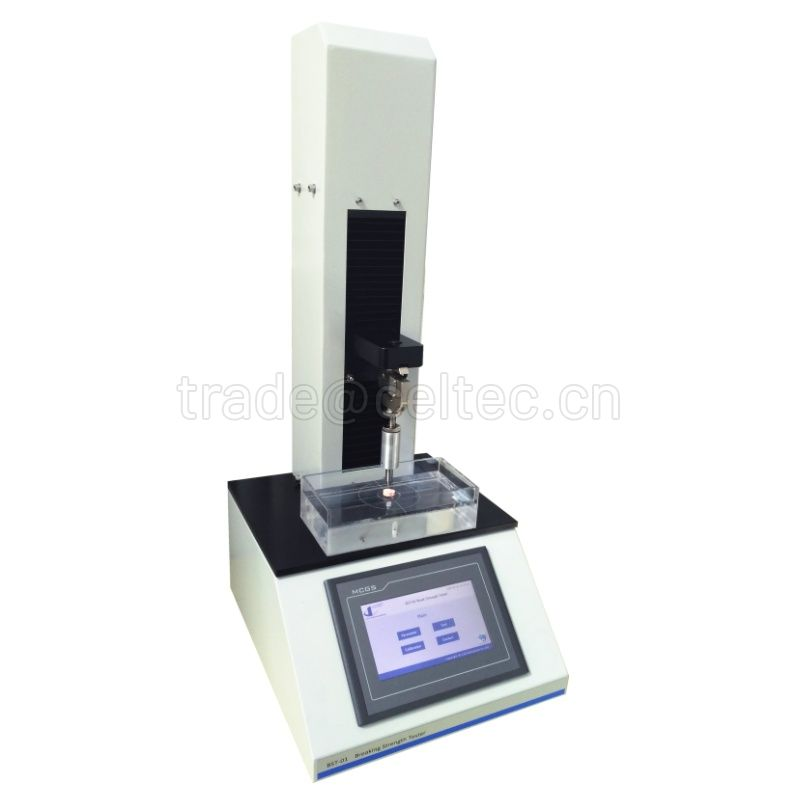
What Is a Tablet Hardness Tester?
A tablet hardness tester measures the force needed to fracture a tablet, confirming its durability during handling and packaging. These instruments come in two main types—manual and digital—each suited to different operational needs.
Manual Tablet Hardness Tester:
Operated by hand, this model applies pressure manually to determine hardness. It’s typically used in smaller labs or for routine checks where automation is not required.
Digital Tablet Hardness Tester:
This version automates force application and records data digitally, offering high precision and consistency. It’s best suited for high-volume production environments or laboratories that require detailed data recording and analysis.
These testers are indispensable in pharmaceutical manufacturing because they ensure tablets maintain structural integrity throughout the production and distribution chain.
Key Features of Tablet Hardness Testers
Modern hardness testers offer multiple measurement parameters to provide comprehensive data on tablet quality.
Measurement Parameters:
They can measure hardness, thickness, diameter, and weight—four essential parameters to ensure uniformity, proper dosage, and compliance with standards.
Technological Enhancements:
Contemporary testers often feature touchscreen controls for intuitive operation, automated data collection, and integrated software for easy analysis. Advanced models also include automatic calibration and test sequencing to enhance efficiency and minimize operator error.
Compliance with Standards:
Reliable testers comply with recognized standards such as the USP and European Pharmacopoeia. This ensures that the results are accurate and consistent with global pharmaceutical testing requirements. Modern calibration techniques have further enhanced precision, helping manufacturers maintain consistent product quality.
Methods of Tablet Hardness Testing
Testing methods are standardized to guarantee consistency and reproducibility across batches.
Crush Test:
Measures the force required to crush a tablet by applying pressure until it fractures.
Fracture Test:
Applies pressure using a hemispherical probe to determine tensile strength and brittleness.
Bending Test:
Involves supporting the tablet at both ends and applying pressure in the middle until it breaks, commonly used for larger tablets.
Acceptance Criteria:
Pharmacopoeial guidelines define acceptable hardness levels to ensure that tablets can survive handling, packaging, and storage without crumbling or cracking. Adhering to these criteria ensures compliance with international pharmaceutical regulations.
Benefits of Using Tablet Hardness Testers
Tablet hardness testers deliver numerous benefits across the pharmaceutical production chain.
Quality Control:
Routine hardness testing ensures that tablets maintain uniform size, weight, and strength. This consistency is crucial for patient safety and product performance. Early detection of inconsistencies allows for immediate correction, minimizing waste and production delays.
Regulatory Compliance:
Compliance with standards such as those from USP and Ph. Eur. guarantees that tablets meet global regulatory expectations. This not only safeguards patient safety but also helps avoid costly recalls or market rejections.
Quality Assurance:
By verifying the strength and durability of tablets, these devices support overall quality assurance systems. Automated and digital testers further enhance efficiency, reduce operator error, and provide precise analytical data for reporting and traceability.
Applications in the Pharmaceutical Industry
Tablet hardness testers are integral at every stage of pharmaceutical development and production.
Research and Development:
They help scientists refine formulations and balance ingredients to achieve optimal tablet properties during the design phase.
Production:
During large-scale manufacturing, hardness testing ensures each tablet batch meets the specified strength criteria.
Quality Control Laboratories:
In QC labs, testers verify that tablets maintain structural integrity and comply with required standards before market release.
Packaging and Transportation:
Testing ensures tablets can withstand mechanical stress during packaging and logistics without damage.
Stability Testing:
Used in long-term stability studies to confirm that tablets retain their hardness and integrity throughout their shelf life under various environmental conditions.
Заключение
Tablet hardness testers are indispensable instruments for maintaining quality, safety, and compliance in the pharmaceutical industry. They ensure that every tablet meets the required mechanical standards, helping manufacturers produce reliable and safe medications. From research to final packaging, these testers enhance consistency, reduce production losses, and support regulatory compliance.
Investing in a high-quality tablet hardness tester ultimately strengthens quality assurance systems, safeguards product integrity, and improves operational efficiency—making it a key asset for any pharmaceutical facility.


 Български
  English
  العربية
  Čeština
  Dansk
Dansk  Deutsch
  Ελληνικά
  Español
  Eesti
Eesti  Suomi
Suomi  Français
  Magyar
  Bahasa Indonesia
  Italiano
  日本語
日本語  한국어
한국어  Lietuvių kalba
  Latviešu valoda
  Norsk bokmål
  Nederlands
  Polski
  Português
  Română
  Русский
  Slovenčina
  Slovenščina
  Svenska
  Türkçe
  Українська